
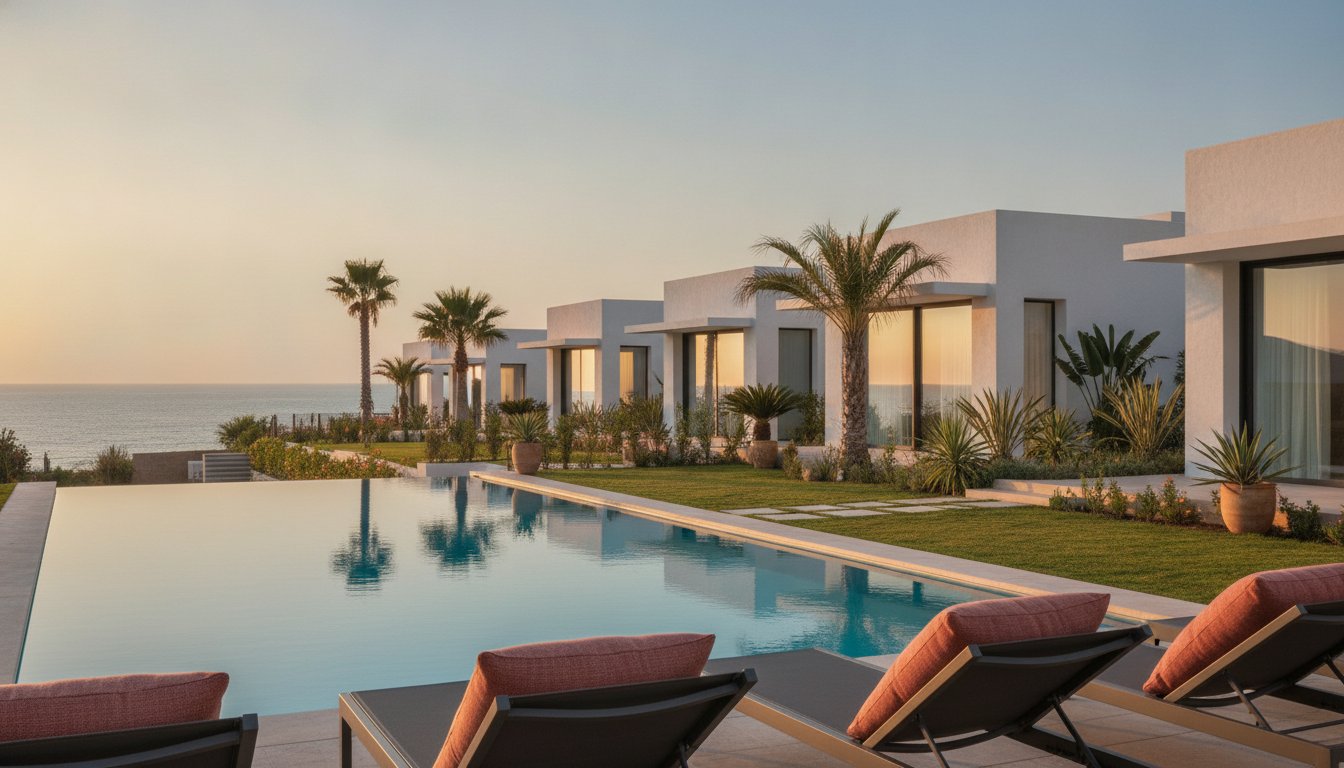
What if your Spanish holiday home could offer the ultimate peace of mind without the stress of constant maintenance or security worries? For many, buying a property in a gated community in spain represents the perfect balance of a lock-up-and-go lifestyle and a vibrant social atmosphere. You likely want the security of a gated entrance and the luxury of shared pools, yet you might feel hesitant about potential community fees or the legal complexities of the "Comunidad de Propietarios". We understand that these concerns can feel like a hurdle when you're dreaming of a sun-drenched terrace in Puerto de Mazarrón or a sleek apartment on the Costa Blanca.
This guide provides the clarity you need to find your perfect secure home whilst avoiding common pitfalls. We'll explore the unique benefits of the Mazarrón area, including Isla Plana, La Azohia, and Bolnuevo, and compare them with the popular Costa Blanca. You'll discover the latest 2026 financial updates, such as the 7.75 per cent ITP rate in the Murcia region versus the 9 per cent rate in Valencia. From understanding annual costs to mastering the local rules, we're here to ensure your journey to a Mediterranean lifestyle is smooth, transparent, and rewarding.
Key Takeaways
- Discover why the "lock-up-and-leave" security of a gated urbanisation makes it the top choice for international buyers seeking a low-maintenance second home.
- Master the legal essentials of the "Comunidad de Propietarios" to understand how Spanish law protects your rights as a homeowner within shared spaces.
- Learn how to calculate the true cost of ownership by evaluating monthly community fees and identifying a healthy reserve fund during your financial due diligence.
- Compare established developments on the Costa Blanca with emerging hotspots in the Mazarrón area of the Costa Cálida when buying a property in a gated community in spain.
- Explore how shared maintenance costs provide affordable access to high-end amenities like heated pools and padel courts in coastal villages such as Isla Plana and Bolnuevo.
Why Gated Communities are the Favourite Choice for UK Buyers in 2026
Imagine arriving at your holiday home after months away to find the hibiscus blooming, the lawn perfectly manicured, and the pool crystal clear. This dream is exactly why buying a property in a gated community in spain has become the preferred route for many UK buyers this year. If you're wondering exactly what is a gated community in the Spanish context, it's essentially a residential development with restricted access, often featuring shared amenities that elevate your daily life. These "urbanizaciones" have evolved far beyond simple housing estates; they're now sophisticated hubs that balance private luxury with a worry-free lifestyle.
The "Lock-Up-and-Leave" Advantage
Security is the primary driver for part-time residents. When your main home is thousands of miles away, peace of mind is priceless. Gated communities provide this through a combination of perimeter fencing, smart CCTV systems, and often 24-hour manned security. It's about more than just deterring intruders; it's about knowing your property is watched over. In coastal villages like Isla Plana or Bolnuevo, community maintenance teams ensure your garden stays pristine and your terrace remains tidy even when you aren't there. You don't have to worry about overgrown weeds or dusty entryways; everything is ready for your arrival.
A Built-in Social Network
Moving to a new country can occasionally feel isolating, but gated complexes offer a ready-made community. Shared spaces like padel courts, communal centres, and poolside bars act as natural meeting points. This is particularly beneficial in areas like Puerto de Mazarrón and La Azohia, where international residents often gather to share local tips and experiences. Families and retirees alike favour these zones because they're often pedestrianised. Children can cycle to a friend's house safely, and neighbours can enjoy an evening stroll without the noise of through-traffic. It fosters a sense of belonging that's hard to replicate in a standalone property, making the transition to Spanish life feel warm and welcoming from day one.
Understanding the "Comunidad de Propietarios": Legal and Administrative Essentials
When you're buying a property in a gated community in spain, you aren't just buying a front door and a terrace; you're joining a legal partnership. This entity is known as the Comunidad de Propietarios (Community of Owners). It governs everything from the security gates at the entrance of your complex in Puerto de Mazarrón to the lighting in the communal gardens of a Costa Blanca development. Understanding how this works is the key to a stress-free ownership experience.
The backbone of this structure is the Ley de Propiedad Horizontal (Horizontal Property Law). This legislation protects your rights and outlines your obligations. It ensures that every owner contributes fairly to the upkeep of shared spaces. According to the UK Government Guide to Buying in Spain, conducting proper legal due diligence is essential to ensure there are no outstanding debts against the property before you sign. This is vital because community debts stay with the property, not the previous owner.
Every community has a President, usually an owner elected to represent the group. However, the day-to-day running is often handled by a professional Administrator. They manage the accounts, organise repairs, and ensure the community remains financially healthy. Your specific contribution to these costs is determined by your cuota. This is a percentage based on the size and value of your property relative to the whole complex. If you're looking for expert guidance on finding a home with a well-managed community, our team can help you explore resale villas and new build apartments that meet your standards.
The Annual General Meeting (AGM)
The AGM is your chance to have a say. It's where the budget is approved and major decisions are made. Your voting power is tied to your cuota. Even if you can't attend in person, you can appoint a proxy. Always ask to see the Actas (minutes) from the last few years. These documents reveal if there are ongoing disputes or upcoming "derramas", which are extraordinary levies for major works like pool resurfacing or lift repairs. Checking these minutes is a non-negotiable step in your due diligence.
Rules and Regulations: The Statutes
The Estatutos de la Comunidad act as the internal constitution of the complex. These rules define what you can and cannot do. For instance, some communities in Isla Plana or La Azohia might have specific rules about the colour of your awnings or whether you can keep certain pets. Recent legislation now allows communities to vote on whether to permit short-term holiday rentals. A 3/5 majority can now block tourist lets. This is a vital detail if you're planning to buy as an investment. Whether you're in the Murcia region or the Valencia region, these statutes ensure the aesthetic and peaceful nature of your neighbourhood is preserved for everyone.
Comparing Lifestyle Benefits: Security, Shared Amenities, and Community Spirit
Choosing a home is about more than just the bricks and mortar. It's about the morning swim before the sun gets too high or the Friday evening padel match with neighbours. When buying a property in a gated community in spain, you're essentially choosing a lifestyle package. In established parts of the Costa Blanca, you might find sprawling urbanisations with multiple pools and social clubs. Meanwhile, the Mazarrón area in the Costa Cálida offers a more intimate feel, where new developments in Bolnuevo or La Azohia often focus on blending modern luxury with the natural Mediterranean coastline.
The trade-off is simple: you exchange a degree of total independence for a wealth of support and high-end facilities. In a standalone villa, you're responsible for every tile in the pool and every leaf on the drive. In a managed community, these tasks are handled for you. However, it's vital to evaluate the "vibe" before committing. Some complexes are purely residential, offering quiet year-round living, whilst others are holiday-focused and can become much busier during the summer months in Puerto de Mazarrón. When you're buying a property in a gated community in spain, consider how the layout and the ratio of residents to holidaymakers will affect your daily peace.
The Amenities Arms Race
Modern gated communities in 2026 have moved far beyond just having a basic swimming pool. We're now seeing a focus on future-proofed features that add significant long-term value to your investment:
- EV Charging Points: Essential for the modern driver and often standard in new build villas.
- High-Speed Communal Wi-Fi: Perfect for those blending work and leisure by the pool.
- Professional Landscaping: Manicured gardens that stay lush regardless of the season, enhancing the aesthetic of the entire complex.
- Heated Pools: Extending the swimming season well into the autumn months for residents in both the Murcia and Valencia regions.
These shared costs allow you to enjoy a level of luxury that would be difficult to justify for a single household, significantly reducing the individual burden of property maintenance.
Privacy vs. Proximity
One of the most common questions we hear is about privacy. Yes, you'll have neighbours closer than you might in a rural finca, but the benefits often outweigh the proximity. Having a local network is incredibly helpful. Whether it's a neighbour who can act as a key holder or a community administrator who knows the best local plumber in Isla Plana, that support system is invaluable. While you might occasionally hear the sounds of community life, most modern developments are designed with clever architectural layouts to maximise your private terrace space. For many of our clients, the security of knowing someone is nearby is a small price to pay for such a vibrant, well-maintained environment.
This balance of privacy and resort-style service is a hallmark of gated communities worldwide. For those who appreciate this level of detail, Heroes Vacation Home offers a luxury 7-bedroom rental villa within Florida's Solterra Resort, providing a perfect example of how managed communities can offer both seclusion and access to top-tier facilities.

Calculating the True Cost: Fees, Taxes, and Financial Due Diligence
When you're buying a property in a gated community in spain, the purchase price on the listing is only the beginning of your financial journey. To ensure your dream home remains a joy rather than a burden, you must look closely at the ongoing costs. These expenses are what keep the pools sparkling in Puerto de Mazarrón and the gardens lush in the Costa Blanca. Understanding where every Euro goes will help you plan your budget with total confidence.
Community fees are typically paid monthly or quarterly. They cover the essential maintenance of shared areas, including swimming pool chemicals, gardener salaries, communal lighting, and security personnel. In some complexes in Isla Plana or La Azohia, these fees might even include water or basic building insurance. A healthy community will also maintain a "Reserve Fund". This is a legal requirement in Spain, where a percentage of the annual budget is set aside for future emergencies. A robust reserve fund is a major green flag; it shows the community is well-managed and prepared for the future.
You also need to consider how these costs affect your return on investment. If you are looking at investment properties or holiday rental properties, high community fees can reduce your net yield. However, a well-maintained community often commands higher rental rates and preserves the resale value of your home. It's a balance between the cost of the service and the value it adds to your Mediterranean lifestyle.
The Financial Checklist for Buyers
Before you commit, you must see the numbers for yourself. Ask your lawyer to request a certificate from the community administrator to prove the current owner is up-to-date with all payments. You should also analyse the latest annual budget to see how funds are allocated. One of the most important things to check for is a "Derrama". A Derrama is a one-off payment for major works, such as roof repairs or pool refurbishment. If a major project was recently approved at an AGM, you need to know if the seller has already paid their share or if the bill will land on your doormat after completion.
Tax Implications for Community Owners
It's vital to distinguish between community fees and your local taxes. IBI (Impuesto sobre Bienes Inmuebles) is the Spanish equivalent of council tax, paid annually to the local town hall. This is entirely separate from your community obligations. Whether you are buying in the Murcia region or the Valencia region, your tax rates will vary. For a comprehensive breakdown of what to expect, we recommend reading our buying property in spain guide. Having professional legal representation is the best way to verify the debt-free status of any property and ensure your transition to Spanish homeownership is as smooth as possible.
Selecting Your Dream Home: From the Costa Blanca to the Costa Cálida
Deciding exactly where to plant your roots is the final, most rewarding step of your journey. When you're buying a property in a gated community in spain, you'll likely find yourself weighing up the vibrant energy of the Costa Blanca against the serene, untouched beauty of the Costa Cálida. Both regions offer exceptional gated developments, but the lifestyle they provide can be quite different. You'll need to choose between the sleek, minimalist lines of modern new build villas and the timeless charm of traditional Mediterranean townhouses. Whether you're drawn to a frontline beach complex or a prestigious golf resort, understanding these regional nuances is key to finding your perfect match.
The architectural landscape has shifted significantly. In 2026, we see a strong preference for open-plan living and large glass expanses that invite the Spanish sun into every corner of the home. However, the choice between the Murcia and Valencia regions often comes down to the "vibe" you're seeking. Costa Blanca South is renowned for its established infrastructure and bustling international community, whilst the Costa Cálida is favoured for its authentic Spanish character and tranquil coastal villages. Both areas provide the security you crave, but the surroundings will define your daily experience.
The Allure of the Costa Cálida
If you're searching for a more traditional atmosphere, the Mazarrón area in the Murcia region is a standout choice. Towns like Puerto de Mazarrón and Isla Plana offer a genuine coastal experience where the pace of life is refreshingly slow. Bolnuevo is particularly famous for its unique rock formations and stunning beaches, making it a hotspot for those seeking luxury gated villas with a view. For many buyers, the Costa Cálida represents incredible value for money. With a general ITP (Property Transfer Tax) rate of 7.75 per cent as of 2026, your budget often stretches further here than in other coastal areas, allowing for larger plots or higher-spec finishes in peaceful enclaves like La Azohia.
The Vibrant Costa Blanca South
The Costa Blanca, situated in the Valencia region, is known for its world-class infrastructure and established international communities. It's a fantastic choice if you're looking for year-round activity and a wide variety of urbanisations. From sleek, modern new build apartments to charming resale bungalows, the architectural diversity is immense. Whilst the ITP rate here is 9 per cent for properties up to one million euros, the proximity to major airports and a vast array of amenities makes it a compelling option for many. Finding the right balance between these two regions requires local knowledge and a clear understanding of your personal priorities.
Expert Support with Spaindinavia
We're here to act as your bridge to the Spanish property market. Our team doesn't just show you houses; we help you understand the heartbeat of each community. We maintain a hand-picked portfolio that includes everything from new build villas and resale apartments to investment properties across both the Murcia and Valencia regions. We take pride in our personal approach, ensuring that every step of buying a property in a gated community in spain is handled with care and professional expertise. Contact the Spaindinavia team today to start your search and let us help you find the secure, sun-drenched home you've been dreaming of.
Take the First Step Towards Your Secure Mediterranean Lifestyle
Embracing a life in the sun is about finding the right balance between luxury and security. By now, you understand that buying a property in a gated community in spain is a strategic partnership that protects your investment whilst offering a vibrant social circle. Whether you're drawn to the tranquil charm of Bolnuevo and Isla Plana in the Costa Cálida or the established energy of the Costa Blanca, you have the tools to navigate community laws and financial obligations with confidence. You can now move forward knowing exactly what to look for in the community minutes and how to evaluate your annual costs.
At Spaindinavia, we're dedicated to making your transition as smooth as possible. We combine deep local expertise with a commitment to your safety, collaborating with independent solicitors to ensure every transaction is fully secure. As specialists in high-quality New Build Villas, we're here to guide you through the finest developments in Puerto de Mazarrón, La Azohia, and across the coast. Explore our hand-picked gated community properties in Spain today to find your perfect match. Your dream of a worry-free home under the Mediterranean sun is closer than you think.
Frequently Asked Questions
What are community fees in Spain and what do they typically cover?
Community fees are mandatory contributions paid by every owner to maintain the shared infrastructure of the complex. These fees typically cover the cleaning and chemicals for the swimming pool, professional gardening services, communal lighting, and security personnel. In areas like Bolnuevo or the Costa Blanca, these payments ensure that the shared gardens and leisure facilities remain in top condition year-round for all residents to enjoy.
Can a gated community in Spain ban holiday rentals?
Yes, under current Spanish law, a community of owners can vote to restrict or entirely ban short-term holiday rentals within the complex. This requires a three-fifths majority vote of the owners. If you are buying a property in a gated community in spain as an investment, it is vital to check the latest meeting minutes in Puerto de Mazarrón or your chosen Costa Blanca town to ensure no such ban is in place.
What happens if a property owner refuses to pay their community fees?
The community has the legal right to pursue the debt through a fast-track court process known as a "proceso monitorio". This can eventually lead to a charge being placed against the property or the seizure of bank accounts to recover the funds. Because these debts are attached to the property itself, your solicitor must ensure a "certificado de deuda cero" is provided before you complete your purchase.
Are gated communities in Spain safer than independent villas?
Gated communities generally offer a higher level of security than standalone villas due to their controlled access points and shared safety measures. Most developments feature perimeter fencing and CCTV, and many larger complexes in the Murcia and Valencia regions employ 24-hour manned security. This collective approach to safety provides significant peace of mind, especially for those who use their home as a part-time holiday retreat.
Do I still need my own home insurance if the community has building insurance?
Yes, you definitely need your own private insurance policy to cover your property's contents and your personal third-party liability. While the community insurance covers the shared structure and communal areas, it won't protect your furniture or internal fixtures. Whether your home is in Isla Plana or on the Costa Blanca, having a tailored policy ensures you are fully protected against internal accidents or thefts.
Can I customise the exterior of my house in a gated complex?
Most gated communities have strict rules regarding the exterior appearance of properties to maintain a cohesive aesthetic. You will usually need formal approval from the community of owners before changing paint colours, installing awnings, or altering fences. In villages like La Azohia, these regulations help preserve the visual charm of the neighbourhood and protect the long-term resale value of every home within the complex.
What is a "Derrama" and how can I avoid unexpected costs?
A "Derrama" is an extraordinary levy charged to owners for major, one-off expenses that aren't covered by the regular annual budget. This might include significant projects like resurfacing the communal pool or repairing a roof. To avoid surprises when buying a property in a gated community in spain, always ask to see the minutes from the last two Annual General Meetings to check for any recently approved projects.
Is the President of the community a paid position?
The role of the President is a voluntary, unpaid position held by one of the property owners within the complex. They act as the legal representative of the community and work closely with the professional Administrator to oversee the management of the estate. While it involves some responsibility, it is a fantastic way to stay informed and have a direct say in how your community in the Murcia region is run.


